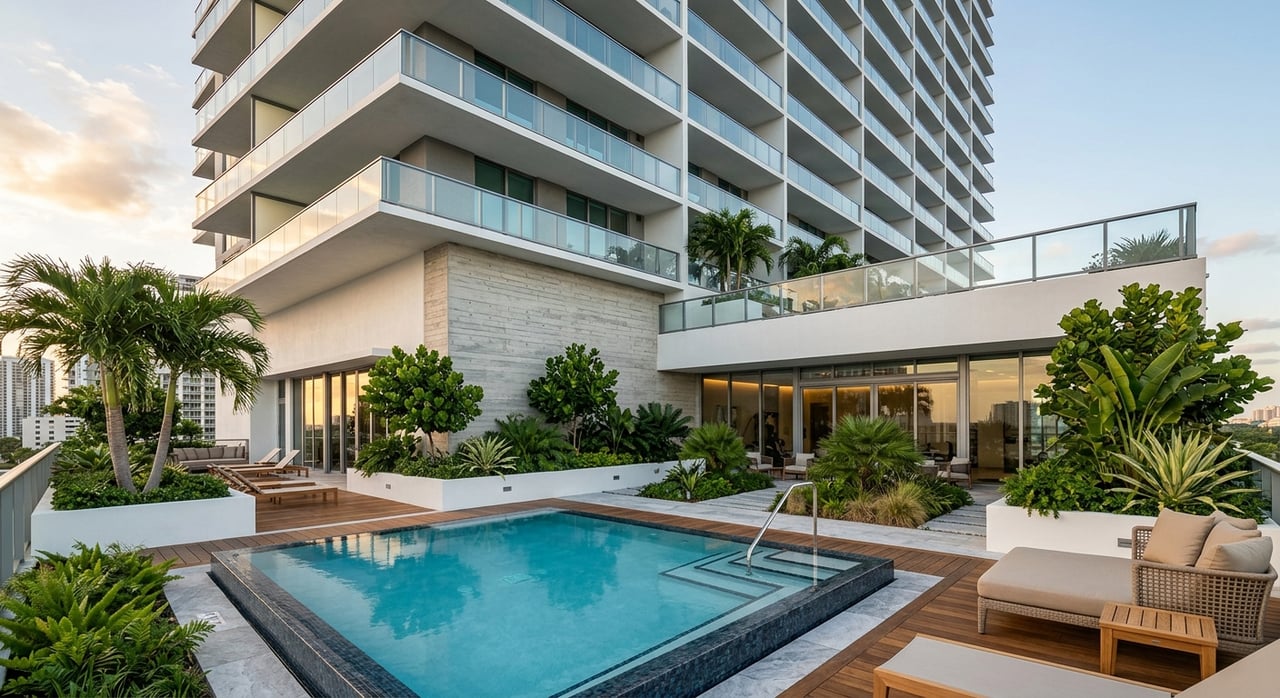
If your next move is taking shape in New York, one question can quickly define everything else: do you want Manhattan convenience or Hamptons space? For many buyers, this is not just about price. It is about how you want to live, what type of home fits your routine, and which ownership costs you are prepared to carry. This guide breaks down the key differences between Manhattan and Southampton so you can compare lifestyle, housing stock, and market conditions with more confidence. Let’s dive in.
Manhattan vs Southampton at a glance
Manhattan and Southampton serve very different housing goals. Manhattan is largely an apartment market built around co-ops and condos, while Southampton, as a Hamptons anchor market, is much more centered on detached homes and a beach-town rhythm.
That difference shows up in both pricing and use. In 1Q 2026, Manhattan’s co-op and condo market posted a median sales price of $1.225 million, while the Hamptons reached a median sales price of $2.4125 million. Southampton specifically posted a Q4 2025 median sales price of $2.65 million, with 83 sales and 7.2 months of supply.
What Manhattan is built for
Manhattan often works best if you want a primary home with steady market activity and a wide range of building options. In 1Q 2026, the borough recorded 2,635 co-op and condo sales, with inventory down 16.7% year over year and 7.0 months of supply.
That level of activity matters if you value choice and liquidity. You are usually comparing resale co-ops, resale condos, and a smaller share of new development, which made up 8.9% of sales in the same period.
Manhattan is mostly an apartment market
The numbers make this clear. In 1Q 2026, Manhattan had 1,461 co-op sales and 1,174 condo sales, with 6,164 co-op and condo listings in inventory.
Pricing also varies by product type. The median sales price was $825,000 for co-ops and $1.661 million for condos, which means your decision may come down to building type as much as location.
Townhouses play by different rules
If you are comparing a Manhattan townhouse to a Hamptons house, you are no longer looking at the same market dynamics as a condo or co-op search. Manhattan townhouses had a 1Q 2026 median price of $6.5 million and 14.5 months of supply.
That is a very different liquidity profile from Manhattan apartments. In practical terms, a city townhouse behaves more like a private-home market than a typical apartment market.
What Southampton is built for
Southampton appeals to buyers who want more space, a house-centered lifestyle, and close access to beaches and seasonal recreation. The town’s own public information highlights beaches, recreation, and permit-based beach access, which reflects a lifestyle pattern that is distinct from Manhattan living.
The local housing mix reinforces that point. Across the Hamptons in Q4 2025, there were 453 single-family closings compared with just 17 condo closings, plus 1,010 single-family listings versus 60 condo listings.
Detached homes lead the market
If you picture your next move as a standalone home rather than a building-based residence, Southampton is likely the more natural fit. The market is overwhelmingly driven by single-family homes, not apartments.
That also changes how you think about privacy, outdoor space, and day-to-day use. In Southampton, the choice is often less about amenities inside a building and more about land, layout, access, and proximity to coastal features.
The Hamptons market skews higher-end
The Hamptons market has become increasingly weighted toward luxury pricing. In 1Q 2026, the region posted its highest share of sales above $5 million on record, while inventory remained below typical pre-pandemic levels.
That does not mean every Southampton buyer is looking for the same thing. It does mean you should expect a market shaped heavily by high-end demand and limited supply.
How ownership costs differ
The purchase price is only part of the decision. Your monthly and annual carrying costs can look very different in Manhattan than they do in Southampton.
In Manhattan, building-level charges often play a major role. In Southampton, local tax administration and coastal due diligence tend to matter more.
Manhattan carrying costs can be substantial
For apartment buyers, monthly expenses may go well beyond your mortgage. In 1Q 2026, average monthly co-op maintenance in Manhattan was $3,007, while average condo common charges plus real estate taxes were $4,559.
New York City also taxes property by class. For tax year 2026, the city listed Class 1 at 19.843% and Class 2 at 12.439%, and it states that co-ops and condos are valued as income-producing property for tax purposes. The co-op and condo abatement is available only when the unit is your primary residence.
Southampton taxes are more layered
Southampton ownership has its own administrative complexity. The town’s Receiver of Taxes handles more than 51,000 property tax bills and distributes revenue across a range of local districts, including school, library, police, highway, parks, fire, ambulance, lighting, water, and erosion-control districts.
The local calendar matters too. Southampton’s 2026 tax schedule shows first-half taxes due January 10 and second-half taxes due May 31, so ownership comes with a more location-specific annual rhythm.
Coastal due diligence matters
If you are considering a Southampton home near the water, flood risk should be part of your review early in the process. FEMA notes that properties in high-risk flood areas may require flood insurance, and standard homeowners insurance policies generally do not cover flood damage.
That does not make coastal ownership a negative. It simply means your buying analysis should account for insurance, flood-zone status, and property-specific exposure before you make a decision.
Market speed and timing
Both markets remain competitive, but they do not move in exactly the same way. Manhattan apartments tend to trade in a more continuous environment, while the Hamptons can reflect more seasonal behavior and a stronger luxury tilt.
That timing difference can affect everything from negotiation strategy to how patient you may need to be on either side of the deal.
Manhattan offers more continuous activity
In 1Q 2026, Manhattan co-op and condo inventory declined year over year, helping keep the market relatively tight at 7.0 months of supply. For buyers who want to stay engaged in an active market with regular deal flow, that can be a meaningful advantage.
This is especially true if you are focused on apartments. There is simply more transaction volume and more product turnover than you typically see in Southampton.
Southampton can be tighter and slower
The Hamptons market is also supply constrained, but it behaves differently. In Q4 2025, the region reported 127 days on market, a 9.4% listing discount, and 6.8 months of supply.
By 1Q 2026, inventory still had not recovered to typical pre-pandemic levels, and bidding-war conditions remained elevated. So while homes may take longer to move than Manhattan apartments, competition can still be strong when the right property comes to market.
Which move makes more sense for you?
If you want an apartment-led market, building-based ownership, and a primary residence that keeps you plugged into steady year-round activity, Manhattan may be the stronger fit. This is especially true if you are choosing among co-ops, condos, or new development.
If you want a detached home, more land, and a lifestyle tied more closely to beaches and seasonal recreation, Southampton may offer the better match. That is often the case for buyers looking at a weekend home, summer home, or a primary residence with a different pace and setting.
Questions worth answering before you decide
Before you choose one market over the other, it helps to narrow the comparison. Start with a few practical questions:
- Are you comparing a Manhattan co-op, condo, or townhouse?
- Will the Southampton property be a primary residence, weekend home, or seasonal home?
- Do monthly carrying costs matter more to you than space and lifestyle?
- Is beach access an important part of how you plan to use the home?
- Could flood insurance become part of your ownership costs?
The clearer your answers, the easier it becomes to compare these markets on the right terms. Manhattan and Southampton can both be smart choices, but they are optimized for very different ways of living.
If you want a discreet, data-driven conversation about whether Manhattan or the Hamptons better fits your goals, the Michael Graves Team is here to help.
FAQs
Should you buy in Manhattan or Southampton for a primary residence?
- Manhattan often fits buyers seeking year-round apartment living and continuous market activity, while Southampton may fit buyers who want a house, more space, and a beach-oriented setting.
What is the difference between Manhattan and Southampton housing stock?
- Manhattan resale activity is concentrated in co-ops and condos, while Southampton and the broader Hamptons market are dominated by detached single-family homes.
Are Manhattan ownership costs different from Southampton ownership costs?
- Yes. Manhattan ownership often includes significant building-related monthly costs such as maintenance or common charges, while Southampton ownership involves town-based tax administration and may require added coastal due diligence.
Does flood insurance matter when buying in Southampton?
- Yes. FEMA states that homes in high-risk flood areas may require flood insurance, and standard homeowners insurance policies generally do not cover flood damage.
Is Manhattan or Southampton easier to resell?
- Manhattan apartments generally benefit from more continuous transaction activity, while Southampton properties can reflect a more seasonal and high-end market pattern.