If you picture a Hamptons luxury home, chances are you are already thinking about architecture before you think about square footage. In Southampton, style is part of value, ownership experience, and even storm readiness. If you are buying, selling, or simply refining your sense of what defines this market, understanding the architectural language matters. Let’s dive in.
Why Southampton Architecture Stands Out
Southampton Village has a long architectural timeline that starts with its founding in 1640 as the oldest English settlement in New York. Later, the estate-building boom that followed rail access helped shape the layered look you see today, from colonial-era forms to grand resort homes and modern waterfront residences. The Village now includes four National Register historic districts and has a Board of Historic Preservation and Architectural Review, which helps explain why design carries unusual importance here.
That history means there is no single Southampton look. Instead, the market blends preservation, prestige, and evolving taste. In practical terms, some areas of Southampton Village tend to read as more historic, while nearby areas can more readily accommodate contemporary compounds, which is best understood as a market observation rather than a fixed rule.
Shingle Style Defines Classic Hamptons
If you want the architectural style most closely tied to Southampton luxury, it is Shingle Style. According to Southampton Village architectural design guidance, this is often considered the residential style of Southampton and remains one of the area’s most recognizable design languages.
What Shingle Style Looks Like
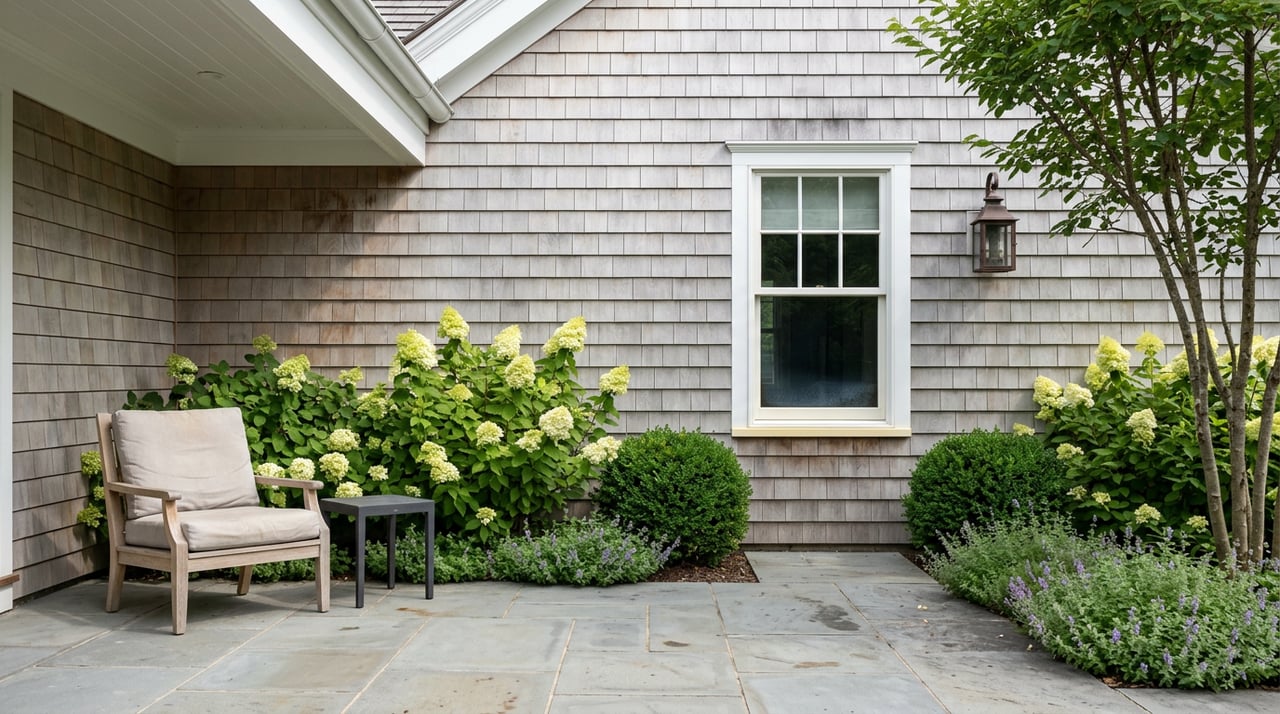
Shingle Style homes typically feature exterior wood shingles, wide porches, asymmetrical forms, gambrel roofs, Palladian windows, towers, and a strong horizontal presence. Britannica notes that the style emerged in the late 19th century from Queen Anne and Colonial Revival influences, which helps explain why it feels both formal and relaxed at the same time.
In Southampton, this is the look that often signals “classic Hamptons” rather than a generic coastal house. Local design guidance identifies examples in the estate section and on streets such as Lewis, Elm, Wooley, Little Plains, and Hampton Roads.
Why Buyers and Sellers Gravitate to It
Shingle Style has staying power because it feels rooted in place. It suits large estates, wraps naturally around porches and gardens, and carries a sense of tradition without feeling overly rigid. For sellers, that broad appeal can support strong emotional resonance with buyers who want an authentic Hamptons identity.
What Maintenance Really Involves
The charm of Shingle Style depends on stewardship. Britannica’s overview of wood shingles notes that they need stain or paint to avoid weathering to gray, and weather exposure can affect long-term appearance. In coastal conditions, envelope details matter even more because wind-driven rain can contribute to flashing problems, leaks, corrosion, and dry rot if maintenance slips.
Colonial Roots Still Shape Southampton
At the older end of the market, Southampton still reflects its colonial origins. These homes may appear as farmhouses, early colonials, or saltbox-influenced properties that connect directly to the area’s earliest building traditions.
The Saltbox and Farmhouse Appeal
The Halsey House offers a useful local reference point. Built for one of Southampton’s earliest English colonists and later remodeled into a saltbox shape around 1730, it shows how early forms evolved over time rather than staying frozen in one period.
For today’s buyers, these homes often offer something difficult to replicate in new construction: age, texture, and historic authenticity. For sellers, that same authenticity can be a strong differentiator, especially when original character has been preserved thoughtfully.
Ownership Comes With Ongoing Care
Historic houses reward careful ownership. The Halsey House record notes later shingle replacement and window restoration, which reflects a broader truth in Southampton’s older housing stock. These homes are rarely “set it and forget it” properties.
If you are evaluating an older home, it helps to think beyond style alone. Condition, past restoration quality, and future upkeep all matter to long-term enjoyment and resale positioning.
Contemporary Homes Redefine Luxury
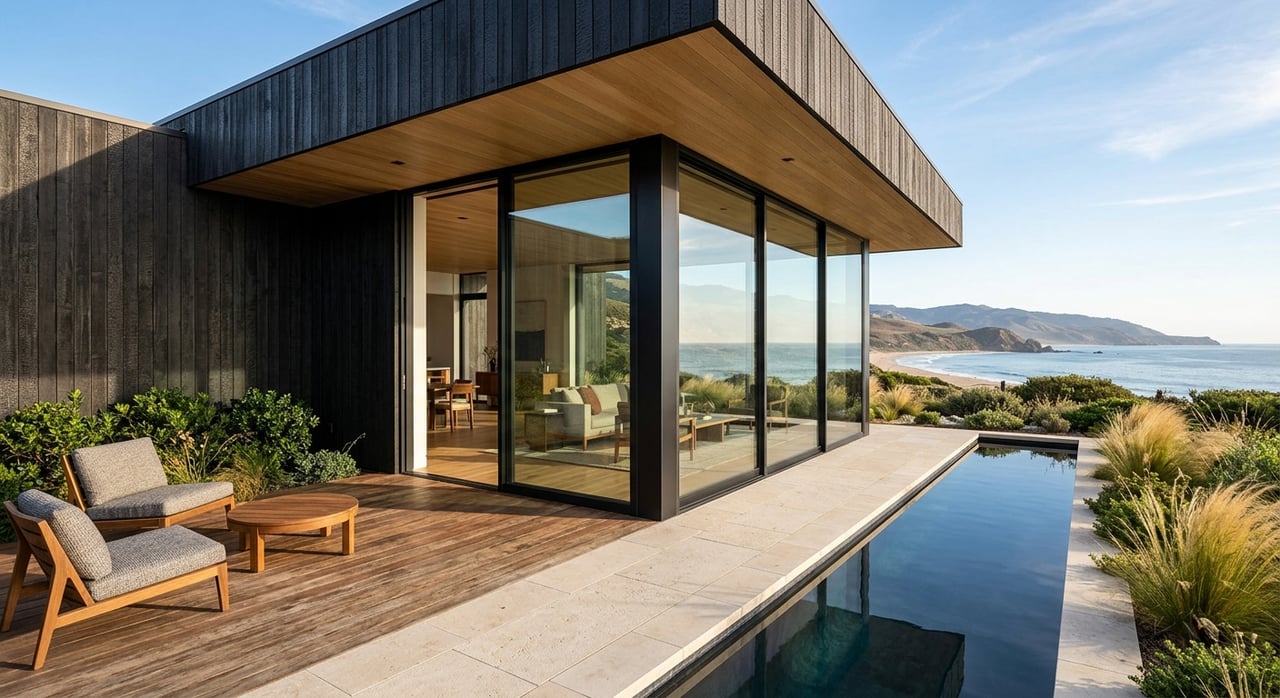
Southampton luxury is not only historic. Modern glass homes and contemporary estates now play a meaningful role in the market, especially where buyers prioritize openness, light, and indoor-outdoor living.
What Defines the Modern Hamptons Look
Contemporary Hamptons homes often use open plans, strong sightlines, and large expanses of glass to frame landscape and water views. Pembrooke & Ives describes local projects that range from traditional shingle homes to newly built residences with glass curtain walls and pool houses, including a Southampton estate centered on floor-to-ceiling windows.
This design direction reflects both taste and setting. The Department of Energy’s guidance on natural ventilation notes that coastal homes often use large operable windows to capture sea breezes, which aligns with the open, airy quality many buyers want in a Hamptons retreat.
Modern Design Requires Strong Specifications
Modern waterfront architecture can be visually effortless, but technically it is demanding. In coastal conditions, FEMA guidance on flood-damage-resistant materials notes the importance of flood-resistant materials below base flood elevation, while corrosion-resistant connectors and fasteners are recommended because airborne salts speed up corrosion.
That means a sleek modern home should be evaluated on more than glass walls and finishes. Window systems, structural detailing, material selection, and building envelope quality all shape long-term durability and ownership costs.
Estate Architecture Goes Beyond Shingle
Shingle Style may be the signature, but it is not the whole story. Southampton also includes Gilded Age and Beaux-Arts estates, along with less common but distinctive departures such as Mediterranean villas.
Beaux-Arts and Mediterranean Examples
The Southampton History Museum describes Black Point as a Mediterranean-style villa with Renaissance interiors and cruciform gardens. It also describes Mayfair as a Beaux-Arts house with oblique wings, projecting porches, and intersecting rooflines.
These homes broaden the definition of Hamptons architecture. They show that Southampton luxury has long included formal estate traditions alongside its more relaxed coastal vocabulary.
Collectible Architecture Now Includes Modernism
Another shift worth watching is that modern and postmodern homes are increasingly part of the local preservation conversation. In 2024, Preservation Long Island supported landmark designation for five Village residences by architects including Norman Jaffe, Ward Bennett, and Myron Goldfinger.
For buyers and sellers alike, that is an important signal. In Southampton, collectible architecture now spans more than one era, and design significance is no longer limited to 19th-century homes.
Climate Shapes Every Style Choice
In Southampton, architecture and environment are closely linked. The Village is a coastal community with roughly seven miles of oceanfront, and large areas fall within the 100-year floodplain. Local standards also enforce V-zone construction and BFE+2 requirements, according to Southampton’s hazard and planning materials.
Why Resilience Matters to Value
Whether a home is historic or contemporary, long-term appeal is tied to resilience. Foundation strategy, elevation, roof detailing, window performance, and material repairability all matter in a market shaped by storm exposure. Dune Road overwash issues during major storms are a reminder that ownership here includes environmental realities as well as design preferences.
Ventilation and Moisture Need Balance
Ventilation is another good example of where beauty and performance overlap. Large operable windows can support the breezy indoor-outdoor feel buyers love, but the Department of Energy also notes that humid climates can create mold or moisture issues if natural ventilation is relied on too heavily. That is one reason many high-end Hamptons homes combine expansive openings with tighter envelopes and carefully planned mechanical systems.
How to Evaluate Style as a Buyer
If you are shopping for a Southampton luxury home, architectural style should be more than a mood-board decision. It is also a clue to future maintenance, possible review constraints, and renovation flexibility.
A practical way to assess a property is to ask:
- Is the home in or near a historic district?
- Does the architecture rely on materials that need frequent upkeep?
- How does the house respond to flood and wind exposure?
- If it is modern, are the specifications and envelope quality strong enough for a coastal setting?
- If it is historic, how much original character has been preserved or restored?
These questions can help you separate visual appeal from long-term ownership quality.
What Sellers Should Know About Design Positioning
If you are preparing to sell in Southampton, the architectural story of your home should be presented with precision. Buyers at the luxury level are often responding to more than finishes and staging. They are evaluating authenticity, rarity, design coherence, and how well the property fits the Southampton market.
That makes positioning especially important. A classic shingle estate, a restored colonial, and a glass waterfront residence each attract interest for different reasons, and the strongest marketing strategy reflects those differences clearly and credibly.
Southampton architecture rewards informed interpretation. If you are considering a purchase or planning a future sale, the right guidance can help you weigh design appeal against maintenance, resilience, and long-term value. For tailored advice delivered with discretion and a data-driven point of view, connect with the Michael Graves Team.
FAQs
What architectural style feels most authentically Hamptons in Southampton?
- Shingle Style is most closely associated with Southampton and the broader Hamptons, especially within the Village’s historic core.
What should buyers know about maintaining Shingle Style homes in Southampton?
- Wood-shingled homes typically need ongoing exterior care, including attention to weatherproofing, flashing, and moisture protection in coastal conditions.
Are modern luxury homes part of Southampton’s architectural identity?
- Yes. Contemporary glass homes and modern estates are an established part of the local market, and some modernist residences are now part of preservation discussions.
Do Southampton historic districts affect design flexibility?
- They can. Southampton Village has four historic districts and a preservation review structure, so some properties have more design constraints than others.
How does Southampton’s coastal setting influence luxury home architecture?
- Coastal exposure affects elevation, materials, window systems, corrosion resistance, and flood resilience, which all shape both design and long-term ownership.
Is Hamptons architecture limited to historic shingle houses?
- No. Southampton’s luxury housing includes colonial-era homes, Shingle Style estates, Beaux-Arts properties, Mediterranean villas, and contemporary waterfront residences.